
Acne Scar Treatment in Indiranagar, Banglore
Are acne scars affecting your confidence and making your skin look uneven? You’re not alone—many people struggle with stubborn scars even after acne clears. The good news is that modern dermatology offers safe and effective solutions to reduce and even eliminate these scars. If you’re looking for reliable acne scar treatment in Indiranagar, understanding your options is the first step toward smoother, healthier skin.
“Acne scars require a personalized approach—no single treatment works for everyone,” explains Dr. Swetha P, a highly regarded dermatologist in Indiranagar, Bangalore. “With the right combination of therapies and consistent care, we can visibly improve skin texture and restore confidence. Early intervention and expert guidance make a significant difference in outcomes.”
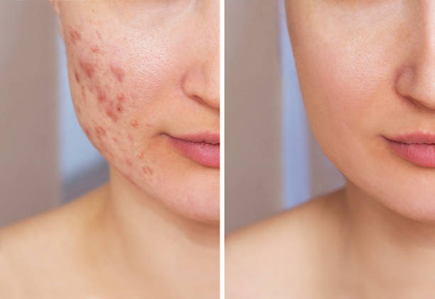
At the Cosmoderm Centre, led by Dr. Swetha P, patients receive customized acne scar treatment in Indiranagar. Known for her proficiency in advanced dermatological procedures, Dr. Swetha offers evidence-based therapies tailored to individual skin types. She combines medical expertise with cutting-edge technology to deliver safe, effective, and long-lasting results.
Wondering why acne leaves marks behind? Let’s explore the different types of acne scars and how they form.
What Are Acne Scars? Understanding the Types
Acne scars develop when inflamed acne lesions damage the skin tissue. Depending on healing and collagen response, scars can appear in various forms:
Atrophic scars:
Depressed scars caused by loss of tissue. These include ice-pick, boxcar, and rolling scars.
Hypertrophic scars:
Raised scars formed due to excess collagen production.
Post-inflammatory hyperpigmentation (PIH):
Dark spots that remain after acne heals, especially common in Indian skin.
Keloid scars:
Thick, raised scars extending beyond the original acne area.

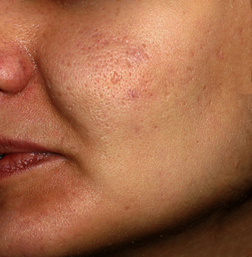
Each type requires a specific treatment approach for best results.
Not sure which type of scars you have? Connect with a skin expert for an accurate assessment and a personalized plan.
Curious why some acne leaves scars while others don’t? Let’s delve into the causes that influence scar formation
What Causes Acne Scars on Indian Skin?
Several factors contribute to acne scarring, especially in Indian skin types:
- Inflammation severity: Severe acne causes deeper skin damage.
- Delayed treatment: Untreated acne increases the risk of permanent scars.
- Skin picking or squeezing: Worsens inflammation and tissue damage.
- Genetic factors: Some individuals are more prone to scarring.
- High melanin levels: Indian skin is more susceptible to pigmentation and post-acne marks.
- Improper skincare: Using harsh or unsuitable products can aggravate skin damage.
Understanding these causes helps in preventing future scars while treating existing ones.

Looking for effective ways to treat acne scars? Let’s explore the advanced treatments available.
Acne Scar Treatments Available at Our Skin Clinic in Indiranagar
At Cosmoderm Centre, Dr. Swetha P, an acclaimed skin specialist in Indiranagar, Bangalore, offers a wide range of advanced treatments to target different types of acne scars effectively.
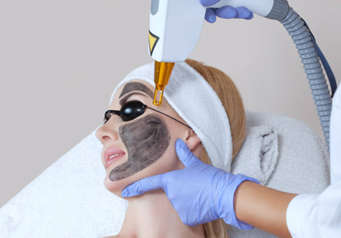
Laser resurfacing
One of the most effective treatments, it works by removing damaged skin layers and stimulating collagen for a smoother texture and even tone.
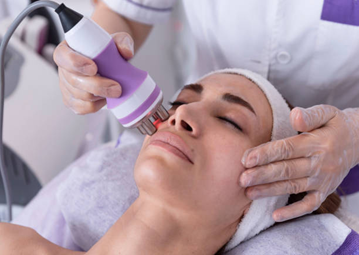
Microneedling with RF (MNRF)
Combines micro-injuries with radiofrequency energy to boost deep collagen remodeling, ideal for atrophic scars.
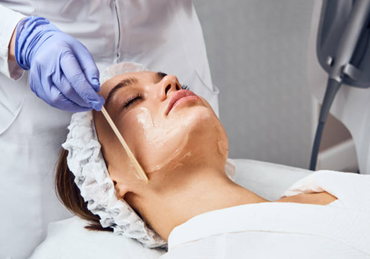
Chemical peels
Specialized peels help exfoliate damaged skin, reduce pigmentation, and improve mild to moderate scarring over multiple sessions.
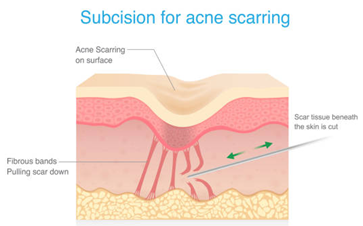
Subcision
A targeted procedure that breaks fibrous scar bands under the skin, allowing depressed scars to lift naturally.
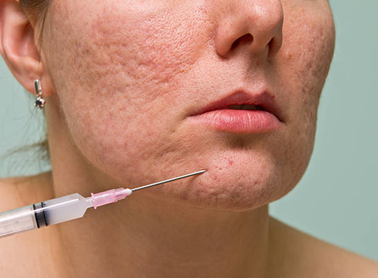
Dermal fillers
Used for deeper scars, fillers provide immediate volume and a smoother appearance, though results are temporary.
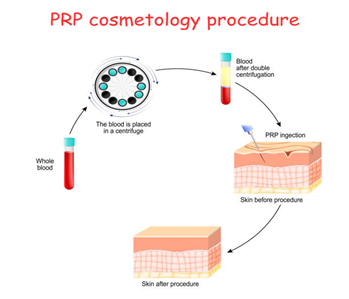
PRP (Platelet-Rich Plasma)
Uses growth factors from your own blood to accelerate healing and improve skin regeneration.
Confused about which treatment suits your skin best? Let’s discuss how the right choice is made.
Which Acne Scar Treatment Is Right for You?
Choosing the right treatment depends on several factors:
Factors Considered
Type and depth of scars
Skin type and sensitivity
Extent of pigmentation
History of acne and treatments
Lifestyle and downtime preferences
Often, combination treatments deliver the best results. For example, microneedling with PRP or laser with subcision can significantly enhance outcomes.
Worried about the procedure or recovery time? Let’s explore what happens during and after treatment
What to Expect During and After Treatment
Understanding the process helps you feel more confident and prepared.
During Treatment
- Procedures are usually done in-clinic
- Minimal discomfort with numbing creams
- Sessions may last 30–60 minutes
After Treatment
- Mild redness or swelling (temporary)
- Gradual improvement over weeks
- Multiple sessions may be required
Recovery Tips
- Use sunscreen regularly
- Avoid harsh skincare products
- Follow your dermatologist’s instructions
Results improve over time as collagen rebuilds, resulting in smoother, clearer skin.
Thinking of trying treatments without expert supervision? Let’s understand why professional care matters.
Why Choose a Qualified Dermatologist for Acne Scar Treatment?
Acne scar treatment is not one-size-fits-all. The expertise of a trained dermatologist ensures both safety and visible results. Here’s why professional care is essential:
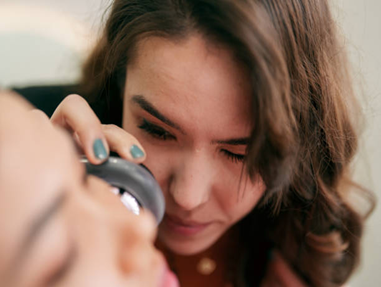
Precise skin analysis
A qualified skin specialist can accurately identify scar type, depth, and skin sensitivity before recommending treatment.
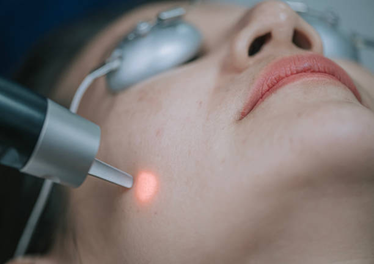
Advanced technology access
Clinics offer medical-grade treatments like lasers, MNRF, and subcision that are not available in home care.
Customized treatment plans
Every skin is different—professional evaluation helps create a tailored plan combining the right procedures.
Minimized risks and side effects
Expert handling reduces the chances of burns, pigmentation, or worsening scars.
Holistic skin management
Beyond scars, underlying acne, pigmentation, and skin health are addressed together.
Better and faster results
Correctly performed clinical treatments deliver more consistent and long-lasting improvements
Want safer and more effective results for your skin? Get in touch with a qualified skincare expert today.
FAQs
1. What is the best acne scar treatment in Indiranagar?
The best treatment depends on your scar type; options include laser, microneedling, and chemical peels.
2. Is acne scar treatment permanent?
Results are long-lasting, but maintenance and skincare are important for sustained improvement.
3. How many sessions are needed?
Most treatments require 3–6 sessions, depending on the severity of the scar.
4. Can acne scars be completely removed?
Deep scars can be significantly reduced, though complete removal may not always be possible.
5. What is the downtime after treatment?
Minimal downtime; most patients resume normal activities within a day or two.
6. Can acne scars return after treatment?
Scars don’t return, but new acne can cause new scars if not controlled.
7. How soon can I see results?
Visible improvement begins within a few weeks and continues over months.
Disclaimer: The information shared in this content is for educational purposes and not for promotional use.