
The Confusion Around Chemical Peels (Why This Guide Exists)
Patients walk in confused. A salon down the road sells a “fruit peel” for ₹999. A medical clinic next door quotes ₹6,000 for what sounds like the same thing. Are they actually doing the same job? No. And the gap between the two is exactly what this guide is about.
Chemical peels at a dermatologist’s clinic are calibrated medical treatments. Specific acid, specific concentration, specific contact time for your skin type and concern. Salon peels are usually weak, generic, and applied in cookie-cutter fashion regardless of who’s on the bed. Both call themselves peels. Only one actually moves the needle on tan, pigmentation, acne marks, and dull skin.
This guide explains exactly what a chemical peel does, the types used in India, real cost ranges in Bangalore in 2026, and what to expect step by step. Written from over a decade of practice at Dr Swetha’s Cosmoderm Centre, a skin clinic in Indiranagar, Bangalore.
What a Chemical Peel Actually Does to Your Skin

A chemical peel is a controlled exfoliation. The doctor applies a precise acid solution to your skin, leaves it on for a specific time, then neutralises it. The top layers of dead, damaged, pigmented skin loosen up and shed over the next 3 to 7 days. Underneath, fresh skin emerges with better tone, smoother texture, and visibly less dullness.
Peels come in three depths:
- Superficial peels: Glycolic, lactic, mandelic, salicylic. Targets the topmost layer. Mild redness, peeling barely noticeable. Safest for Indian skin.
- Medium peels: Higher-strength glycolic, TCA, Jessner’s solution. Goes deeper. Visible peeling for 3 to 5 days. Stronger results on pigmentation and acne marks.
Deep peels: Phenol-based, rarely used in Indian skin because of pigmentation risk on Type IV to VI skin. Reserved for very specif.
Types of Chemical Peels Used in India

Five peels do almost all the heavy lifting in Indian dermatology. Picking the right one matters more than picking the strongest.
- Glycolic acid (AHA): Best for dullness, fine lines, mild pigmentation, and uneven texture. Works on most skin types. Most popular starter peel in India.
- Salicylic acid (BHA): Oil-soluble, penetrates pores. The go-to for active acne, blackheads, and oily skin. Excellent for monsoon-season flare-ups.
- Mandelic acid: Largest molecule of the AHA family, penetrates slowly. The safest peel for Indian skin types IV to VI. First-timer favourite. Lower risk of post-inflammatory hyperpigmentation.
- Lactic acid: Gentle, hydrating, good for dry and sensitive skin. Often used in summer when skin can’t handle stronger acids.
- TCA (trichloroacetic acid): Medium depth peel. Targets stubborn melasma, deep acne scars, and post-acne marks. Needs careful patient selection on darker skin.
- Jessner’s solution: Combination peel (salicylic + lactic + resorcinol). Used for complex skin concerns. Layered application means the dermatologist controls depth precisely.
Chemical Peel Cost in Bangalore: Real 2026 Pricing
Pricing in Bangalore swings hard. Below is honest pricing at a dermatologist-led clinic in Indiranagar. Salon prices look cheaper because they’re not doing what a real peel does.
- Superficial peel (single session): ₹2,500 to ₹4,500. Glycolic, lactic, mandelic, salicylic.
- Medium-depth peel (single session): ₹4,000 to ₹7,500. Higher-strength glycolic, TCA, Jessner’s.
- Combination/customised peel: ₹5,500 to ₹10,000. Layered protocols for complex pigmentation, melasma, or scarring.
- Standard 4-session course: ₹10,000 to ₹24,000 depending on peel type and depth.
- 6-session course (for melasma or stubborn pigmentation): ₹16,000 to ₹40,000.
If a clinic quotes ₹999 for a “glow peel,” understand what you’re buying. That’s typically a salon facial with a 5% fruit acid mask called a peel. Real medical-grade peels cost more because the acid concentration is higher, the application is timed precisely, and the dermatologist on site decides exactly when to neutralise. None of that happens at a ₹999 price point.
Not sure which peel is right for your skin? Book a 20-minute consultation with Dr. Swetha. We’ll assess your skin type, concerns, and lifestyle, then recommend the right peel and dose. No upsell, transparent pricing.
Benefits of Chemical Peels (What They Actually Fix)

Done properly, chemical peels are one of the most versatile tools in dermatology. Here’s what they realistically deliver:
- Tan and sun damage: Peels lift the pigmented top layer faster than any topical can. Pair with tan removal treatment for cumulative results.
- Pigmentation and melasma: Targeted peels combined with prescription topicals are the gold standard for melasma. Patience matters, results build over a course.
- Acne and post-acne marks: Salicylic peels clear active acne. Glycolic and TCA peels fade the brown marks left behind.
- Open pores and rough texture: Peels exfoliate the top layer, which gradually refines the appearance of pores and smooths texture.
- Dull skin and uneven tone: The most visible same-day benefit. Skin looks brighter within 24 hours of the first session.
- Fine lines and early ageing signs: Medium peels stimulate collagen turnover, softening fine lines around the eyes and mouth.
What to Expect During and After Your Session
The session itself is quick. Around 30 to 40 minutes including prep.
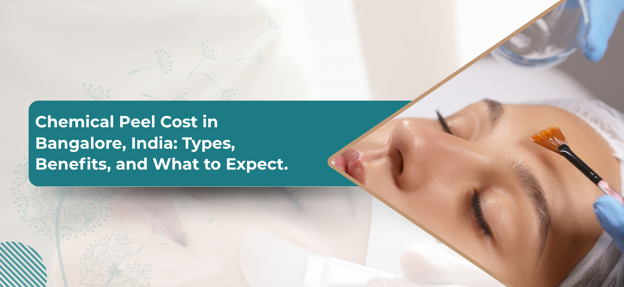
You arrive, the dermatologist examines your skin and confirms the peel choice. Face gets double-cleansed. The acid solution is brushed on in even strokes. You’ll feel a mild tingling or warmth, sometimes a stinging that builds and peaks at around 4 to 6 minutes. A cool air blower or fan helps. The solution is neutralised at the right point, washed off, and a soothing mask plus sunscreen go on before you walk out.
Day 1: Mild redness. Skin feels tight. Looks a touch glowy already.
Day 2 to 4: Light peeling or flaking, depending on depth. Don’t pick at it. Skin underneath is fresh and slightly sensitive.
Day 5 to 7: Peeling done. Skin tone looks more even, dullness lifted, marks faded. Continue sunscreen religiously. The freshly exfoliated layer burns far faster than untreated skin.
Side Effects, Risks, and Honest Pushback on Myths
Real side effects are usually mild and short-lived. Redness for a day. Mild peeling for 3 to 5 days. Skin feels sensitive to actives for a week. Sunscreen failure during this window can cause post-inflammatory hyperpigmentation, which is the most common avoidable problem on Indian skin.
Rare but real risks include uneven peeling if the peel migrates, mild burns if the acid is left on too long, and dark patches if the wrong peel is used on the wrong skin type. All of these come down to who’s doing the peel, not the peel itself.
Three myths worth busting:
- “Peels thin your skin.” Peels remove dead surface cells. The living skin layers underneath are actually stimulated to produce more collagen, which thickens the skin over time.
- “DIY at-home peels are just as good.” They’re not. Over-the-counter peels are weak by design (regulators limit acid percentages for unsupervised use), and pushing past those limits at home causes most home peel disasters we see in clinic.
- “Peels give permanent results.” Partly true. Pigmentation can come back if sun protection is neglected. The treated skin is fresher but new UV damage starts the cycle again. Sunscreen is non-negotiable.
Why Choose Cosmoderm for Chemical Peels in Bangalore

Plenty of clinics in Indiranagar offer chemical peels. What separates Swetha Cosmoderm is that every peel here is selected and performed by Dr. Swetha personally. MBBS, MD in Dermatology, Venereology and Leprology, with over a decade of practice and additional cosmetic dermatology training from the Middle East.
Peel protocols here are customised to Indian skin types. We default to mandelic and lactic for first-timers because they carry the lowest pigmentation risk. We use FDA-approved branded acids. We don’t apply the same peel to every patient with pigmentation.
Patients who come for chemical peel treatment in Indiranagar often pick up adjacent services that build on the same skin goals. HydraFacial MD between peels for hydration and pore decongestion. Laser peels for stubborn marks that chemical peels alone can’t touch. Microdermabrasion as a gentler alternative for very sensitive skin. One dermatologist tracking the whole plan is the underrated part of the deal.
Frequently asked question.
How many chemical peel sessions do I need?
How many chemical peel sessions do I need?
Can I get a chemical peel in summer?
Chemical peel vs HydraFacial, which is better?
Best peel for melasma?
Are at-home peels safe?
Get a peel that actually works for your skin.
Walk into Dr. Swetha’s Cosmoderm Centre on 100 Feet Road, Indiranagar, Bangalore, or call +91 96203 04433 to book your consultation. Honest advice, dermatologist-led care, real results.
Refrences
- American Academy of Dermatology, Chemical peels: FAQs and patient guide
- Indian Association of Dermatologists, Venereologists and Leprologists (IADVL), Clinical guidelines on chemical peels in Indian skin