
Two of the most popular skin treatments in India. And one of the most confusing choices patients face.
HydraFacial and chemical peels both improve skin texture and tone. Both are non-surgical. Both are widely available. But they work completely differently – and for Indian skin specifically, choosing the right one for your concern makes the difference between real results and wasted sessions. A good skin clinic in Indiranagar will always assess your skin before recommending either.
This guide breaks down both treatments honestly – what each does, which skin concerns each addresses best, and how to decide which is right for you right now.
What Is a HydraFacial?
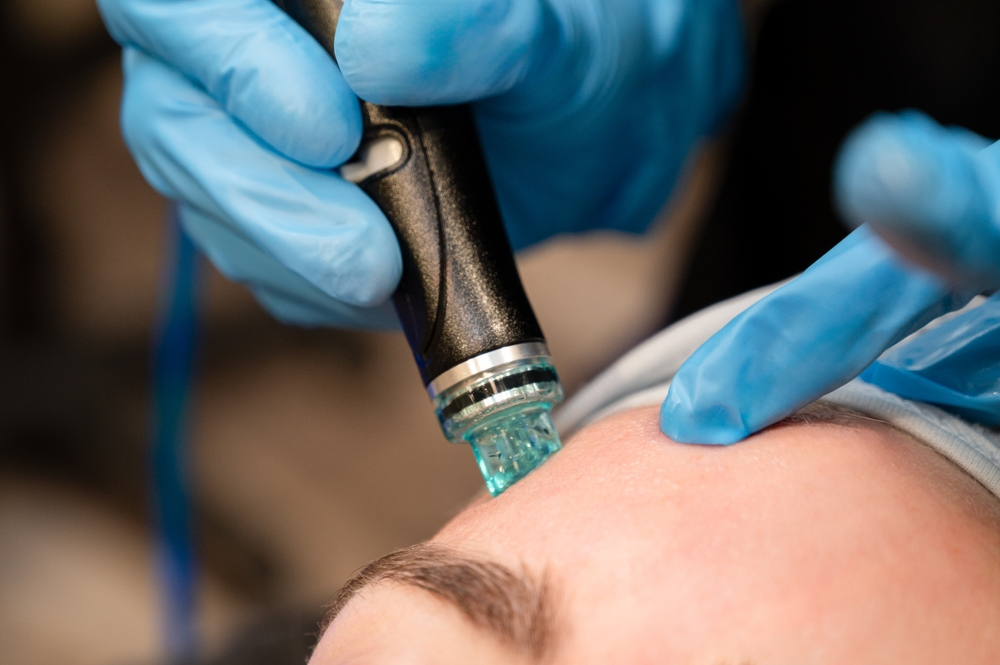
HydraFacial is a medical-grade, non-invasive facial treatment that combines four steps in one session.
Using a patented Vortex-Fusion device, it cleanses, exfoliates, extracts impurities, and infuses the skin with hydrating serums simultaneously. Antioxidants, peptides, and hyaluronic acid are delivered into the skin while debris and congestion are removed – all in a single pass of the handpiece.
It is completely painless. No needles, no peeling, no downtime. Most patients return to normal activity immediately. Results are visible straight after the session – clearer, plumper, more radiant skin. For this reason, HydraFacial in Indiranagar has become a popular pre-event and monthly maintenance treatment.
The treatment can be customised with targeted boosters – specific serums for pigmentation, anti-ageing, or acne – added to the standard protocol based on individual skin needs.
What Is a Chemical Peel?
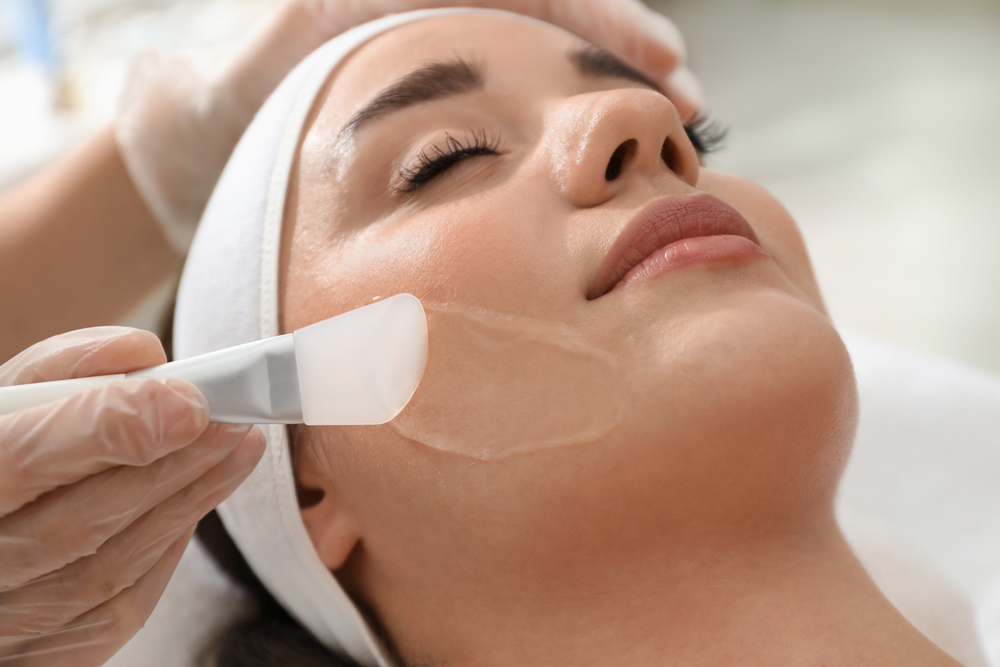
A chemical peel applies an acid solution to the skin to remove the outermost layers of damaged and dead cells, revealing fresher skin underneath.
The acid – glycolic, salicylic, mandelic, lactic, or TCA depending on the peel depth – breaks down the bonds between old skin cells. They shed over the days following treatment, while the process simultaneously triggers collagen production and accelerated cell renewal deeper in the skin.
Unlike HydraFacial, chemical peels involve controlled skin injury. That sounds intense but it is precisely this mechanism that makes peels more effective for deeper concerns like pigmentation, acne scarring, and sun damage. For Indian skin, peel selection is critical – the wrong acid or concentration can trigger post-inflammatory hyperpigmentation rather than fix it.
A chemical peel treatment in Indiranagar is always tailored by the dermatologist to your skin tone, concern, and tolerance – never a standardised protocol applied to everyone.
Not sure which treatment your skin actually needs?
Book a consultation at Dr. Swetha’s Cosmoderm Centre – skin clinic in Indiranagar. Proper skin assessment before any treatment, always.
Dr. Swetha’s Cosmoderm Centre | Skin Clinic in Indiranagar, Bangalore
+91 9620304433 | drswethacosmodermcentre.com
HydraFacial vs Chemical Peel: Key Differences
|
Factor |
HydraFacial |
Chemical Peel |
|
How it works |
Cleanses, extracts and infuses serums simultaneously |
Acid removes outer skin layers and triggers renewal |
|
Pain level |
Painless – gentle suction sensation |
Mild tingling to moderate warmth by peel depth |
|
Downtime |
None – immediate return to activity |
1 to 7 days depending on peel depth |
|
Results visible |
Immediately after session |
Day 5 to 7 after peeling resolves |
|
Depth of action |
Surface and just below |
Surface to mid-dermis depending on peel type |
|
Best for |
Hydration, dullness, mild congestion, maintenance |
Pigmentation, acne scars, uneven tone, sun damage |
|
Sessions needed |
Monthly maintenance recommended |
4 to 6 sessions spaced 3 to 4 weeks apart |
|
Safe for Indian skin |
Yes – all Fitzpatrick types |
Yes – with correct peel selection |
Which Treatment Is Better for Pigmentation?
For pigmentation – chemical peel is the stronger option. But the details matter.
Pigmentation on Indian skin sits in layers. HydraFacial brightens the surface and improves radiance, but it does not penetrate deep enough to address established pigmentation effectively. You will see a glow – but stubborn dark marks will still be there.
Chemical peels specifically target melanin-loaded cells in the layers where pigmentation lives. Mandelic acid peels are particularly well-suited to Indian skin – their slower penetration reduces PIH risk while still delivering real improvement. Kojic acid and lactic acid peels also work well for darker skin tones dealing with uneven pigmentation.

One important caveat: for melasma specifically, peels need careful planning. Aggressive treatment can worsen melasma before it improves. A qualified dermatologist will always select the peel type and concentration based on the specific pigmentation pattern and hormonal history.
Clinical Note
Many dermatologists use HydraFacial as a supportive maintenance treatment between chemical peel sessions – keeping skin hydrated and healthy while the peels do the deeper work on pigmentation.
Which Treatment Is Better for Acne and Acne Marks?
This depends on where you are in the acne journey.
For active acne with congested pores – HydraFacial with a salicylic booster is excellent. The extraction step physically clears blackheads without trauma. Salicylic acid targets sebum and bacteria directly. Patients with active breakouts often tolerate HydraFacial better than peels because there is no risk of spreading bacteria across the face.
For acne marks and post-acne pigmentation – chemical peels deliver better results. A salicylic-mandelic combination peel addresses both residual acne activity and the hyperpigmentation it leaves behind. For deeper acne scars with texture changes, peels are often combined with microdermabrasion or PRP therapy for more complete results.
Practically: active acne and congestion – HydraFacial. Marks and scarring from past acne – chemical peel.
Which Treatment Is Safer for Sensitive Indian Skin?
HydraFacial. For patients with sensitive skin, rosacea, or a compromised barrier, it is the gentler, lower-risk option.
Chemical peels introduce controlled acid to the skin. Even superficial peels can trigger reactivity in sensitive skin – prolonged redness, unexpected irritation, barrier disruption. A patch test and skin preparation period before peels are essential for sensitive Indian skin.
HydraFacial has no meaningful contraindications for sensitive skin. The serums infused actually support barrier repair rather than compromise it. Ceramides, peptides, and hyaluronic acid replenish what the skin is often lacking.
That said – sensitive skin is not a permanent barrier to chemical peels. With the right peel selection and a conservative start, many sensitive Indian skin patients do well on peel courses over time. The key is working with a qualified dermatologist in Indiranagar who monitors your skin’s response at every session.
Have sensitive skin and not sure what is safe for you?
Visit Dr. Swetha’s Cosmoderm Centre – skin clinic in Indiranagar. A proper consultation ensures the right treatment for your skin type.
Dr. Swetha’s Cosmoderm Centre | Skin Clinic in Indiranagar, Bangalore
+91 9620304433 | drswethacosmodermcentre.com
HydraFacial vs Chemical Peel for Different Indian Skin Types
Indian skin is not one category. Here is how each treatment maps to common skin types:
Oily and Acne-Prone Skin
Both treatments work well. HydraFacial with salicylic booster for active congestion. Salicylic-mandelic peels for marks and post-acne pigmentation. Many patients alternate depending on what their skin needs at that point in time.
Dry and Dehydrated Skin
HydraFacial is the stronger choice. The hyaluronic acid infusion directly addresses dryness in a way no peel can. When exfoliation is needed, lactic acid peels are the gentler option – they hydrate while they exfoliate, making them more suitable for dry skin types.
Combination Skin
Both work well. HydraFacial for overall balance and regular maintenance. Peels for targeting specific concerns like pigmentation or uneven texture in the T-zone or cheek area.
Sensitive Skin
Start with HydraFacial. Introduce peels gradually under medical supervision when the skin has stabilised. Never jump straight to medium-depth peels on sensitive Indian skin without a patch test and a preparation period.
Mature Skin with Anti-Ageing Concerns
Chemical peels – glycolic and TCA particularly – stimulate collagen more aggressively than HydraFacial. For patients focused on fine lines, skin laxity, and sun damage, peels deliver more significant anti-ageing results. HydraFacial works as maintenance between peel sessions to keep skin supported and hydrated.
Results, Downtime, and Side Effects
HydraFacial
Results visible immediately. Skin looks brighter, plumper, more hydrated right after the session. Zero downtime – most patients go straight back to work or social commitments. Mild redness resolving within an hour or two is the only common side effect. Regular monthly sessions compound the results over time.
Chemical Peel
Results emerge over days as peeling completes. Skin sheds around day 3 to 4, resolving by day 6 to 7. Downtime varies by peel depth – superficial peels mean 1 to 2 days of mild redness; medium-depth peels involve 5 to 7 days of visible peeling and sensitivity.
After any chemical peel: SPF 50 every morning without exception. Sun exposure on freshly peeled Indian skin can trigger the very pigmentation the peel was treating. This is not optional advice – it is the single most important aftercare step.
How Often Should You Get Each Treatment?
- HydraFacial: Once a month as maintenance. Some patients go every 3 to 4 weeks initially then space to every 6 to 8 weeks once skin stabilises.
- Chemical peel course: 4 to 6 sessions spaced 3 to 4 weeks apart for the initial course. Maintenance peels every 2 to 3 months after, depending on the skin’s response.
- Combination approach: HydraFacial monthly with peel sessions intercalated every 4 to 6 weeks during the active treatment phase – this is how many dermatologists structure treatment for patients managing both congestion and pigmentation.
Frequency is always adjusted based on how the skin responds. A good dermatologist reassesses at every session rather than sticking rigidly to a fixed schedule regardless of what the skin is doing.
HydraFacial or Chemical Peel: Which One Should You Choose?
Here is the honest summary.
|
Choose HydraFacial If… |
Choose Chemical Peel If… |
|
You want instant glow with zero downtime |
You are dealing with stubborn pigmentation or acne marks |
|
Your skin is sensitive or reactive |
You have sun damage or significantly uneven skin tone |
|
You have active acne and congested pores |
Your concern is texture, fine lines, or collagen stimulation |
|
You are prepping for an event |
You are ready to commit to a multi-session course |
|
You want a low-maintenance monthly treatment |
You want more significant, lasting skin transformation |
And for many patients – both. Used together as part of a planned programme, HydraFacial and chemical peels complement each other rather than compete. Peels for transformation. HydraFacial for maintenance and support between sessions. This combination approach is what delivers the most complete results for patients managing multiple Indian skin concerns simultaneously.
Not sure which treatment is right for your skin right now?
Get an honest skin assessment at our skin clinic in Indiranagar. No standard packages – just a proper look at what your skin actually needs.
Dr. Swetha’s Cosmoderm Centre | Skin Clinic in Indiranagar, Bangalore
+91 9620304433 | drswethacosmodermcentre.com
When Should You Consult a Dermatologist?
Before either treatment. Always.
Both HydraFacial and chemical peels are safe when performed correctly. But correctly means different things for different skin types and histories. Indian skin responds variably – what works well for one patient can trigger a reaction in another depending on skin tone, hormonal status, previous treatments, and current barrier health. A skin clinic in Indiranagar offering either treatment should begin with a real skin assessment, not just a quick look and an immediate recommendation.
Consult a dermatologist before booking if:
- You have active skin conditions like rosacea, eczema, or psoriasis
- You are taking medications that affect skin sensitivity such as retinoids or certain antibiotics
- You have had a previous bad reaction to a facial or chemical treatment
- You are pregnant or breastfeeding
- You have a history of cold sores – chemical peels can trigger outbreaks

For anyone in Bangalore considering either treatment, a consultation with a dermatologist in Indiranagar who understands Indian skin is the right first step. The treatment should follow the assessment – not the other way around.
Frequently asked question.
Can I get a HydraFacial and chemical peel on the same day?
No – never combine them in one session; space them at least 2 to 3 weeks apart to allow the skin to recover between treatments.
Which is better for glowing skin before a wedding or event?
HydraFacial – results are immediate, zero downtime, and skin looks visibly brighter and plumper the same day.
Is HydraFacial better than a regular salon facial?
Yes – HydraFacial uses medical-grade technology with clinical serums that penetrate deeper and deliver more consistent, measurable results than a salon facial.
Can chemical peels damage Indian skin?
With the wrong peel or untrained hands, yes – with the right peel selected by a qualified dermatologist, the risk is very low for most Indian skin types.
How many HydraFacial sessions do I need to see lasting results?
Many patients see improvement after session one; a course of 3 to 6 monthly sessions delivers more consistent, maintained results over time.
Which treatment is more affordable in Bangalore?
Chemical peels are generally more affordable per session; HydraFacial costs more but delivers immediate visible results with zero downtime.
HydraFacial and chemical peels are both excellent treatments – for the right skin, the right concern, and the right timing.
For many patients with Indian skin concerns like pigmentation, acne marks, and uneven tone, a planned combination of both delivers the most complete result. Start with an honest skin assessment at a qualified skin clinic in Indiranagar – understand what your skin needs – and build from there.
For HydraFacial treatment in Indiranagar, chemical peel treatment, and a full range of advanced dermatology services, visit Dr. Swetha’s Cosmoderm Centre – near the Metro Station, Indiranagar, Bangalore.